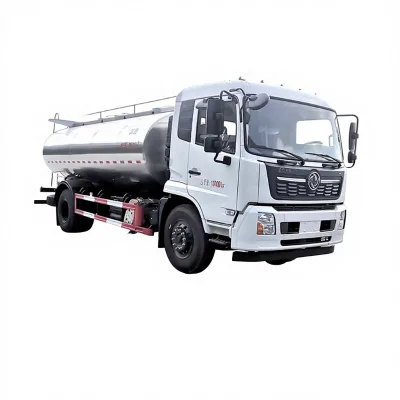
Source diesel fresh milk delivery truck for farms, dairies, and logistics
Compare 30 diesel fresh milk delivery truck options with varying tank capacities, horsepower, and chassis brands. Buyers can evaluate specifications for transporting milk or drinking water across different load capacities and distances.
Key considerations
Products List




Comprehensive Sourcing Guide
Diesel Fresh Milk Delivery Truck Sourcing Guide
Procuring a diesel fresh milk delivery truck requires a careful balance between mechanical reliability and strict hygienic standards. These specialized vehicles are engineered to transport perishable liquids while maintaining product integrity from the processing facility to the distribution point. The core challenge for buyers lies in selecting a chassis that provides sufficient power and durability for varied road conditions, paired with a tank system that meets food-grade safety regulations. Understanding the interplay between engine specifications, tank insulation, and cleaning systems is essential for ensuring operational efficiency and regulatory compliance.
The sourcing process involves evaluating multiple variables, including tank volume, material composition, and drive configurations. Buyers must navigate a market where customization is prevalent, allowing for tailored solutions based on specific fleet requirements. This guide outlines the critical technical, commercial, and compliance factors that influence the selection of diesel-powered milk tankers. By focusing on verified specifications and robust supplier qualifications, procurement teams can mitigate risks associated with equipment failure, contamination, or non-compliance with local transport laws.
Product Scope and Observed Listing Signals
The market for diesel fresh milk delivery trucks presents a diverse range of configurations, primarily distinguished by tank capacity and chassis brand. Observed listings indicate a significant variation in tank volumes, ranging from smaller units under 5,000 liters to large-capacity trucks exceeding 30,000 liters. This spectrum allows buyers to match vehicle size to their specific distribution radius and load requirements. Common chassis brands available in this segment include Dongfeng, Foton, HOWO, and FAW, offering flexibility in terms of availability and local service support. The drive configurations typically include 4x2 setups with six wheels, providing a balance between maneuverability and load-bearing capacity.
Pricing signals in the current market reflect the complexity of these specialized vehicles, with observed ranges spanning from approximately $5,800 to $68,000 USD. This wide disparity is driven by differences in tank material thickness, insulation quality, engine horsepower, and additional features such as automatic cleaning systems. Minimum order quantities (MOQ) are frequently listed as one unit, indicating that suppliers are accustomed to handling individual fleet expansions or replacement purchases. Buyers should note that while some listings offer standard models, many suppliers provide customization options for logos, tank dimensions, and internal configurations to meet specific branding or operational needs.
Technical Specifications to Verify
The heart of a milk delivery truck is its tank system, which must ensure temperature stability and hygiene. Key technical verification points include the multi-layer construction of the tank, typically comprising an inner layer of 304/2b food-grade stainless steel, a middle layer of polyurethane foam for insulation, and an outer stainless steel shell. The thickness of these layers is critical; for instance, an inner layer thickness of 4mm and a middle insulation layer of 80mm are common specifications that contribute to thermal efficiency. Buyers should verify that the tank material is explicitly certified as food-grade stainless steel to prevent contamination and ensure ease of cleaning.
Engine and transmission specifications are equally important for operational reliability. Diesel engines in this category often range from less than 150 horsepower to over 250 horsepower, with engine capacities varying from under 4 liters to between 4 and 6 liters. The choice of horsepower and engine size should align with the vehicle’s load capacity, which can range from 1 to 20 tons depending on the model. Additionally, the transmission type is predominantly manual, requiring operators to be trained in heavy vehicle management. Tire design, whether radial or tubeless, and certifications such as ECE or GCC, should also be verified to ensure compatibility with local road conditions and regulatory requirements.
Compliance and Safety Documentation
Food safety and transport regulations dictate the documentation required for milk delivery trucks. The tank’s inner surface must be smooth and non-toxic, often verified through material certificates for 304 stainless steel. Buyers should request documentation that confirms the tank’s ability to maintain temperature stability, with some specifications indicating that the medium temperature change should be less than or equal to 1 degree Celsius within 24 hours. This insulation performance is crucial for preserving the quality of fresh milk during transit, especially in varying climatic conditions.
Safety and hygiene features must be documented and verified. Many modern milk tankers are equipped with automatic cleaning systems that provide 360-degree rotation coverage, ensuring thorough sanitation between loads. The presence of manholes, typically sized at DN500mm with food-grade rubber seals, facilitates inspection and cleaning. Buyers should ensure that all components in contact with the milk, including pipes and valves, are made from 304 stainless steel. Certifications such as ISO for tire quality and GCC for regional compliance may also be required, depending on the destination market.
Cost Drivers and Commercial Terms
Several factors influence the final cost of a diesel fresh milk delivery truck. The primary cost drivers include the tank volume, the quality and thickness of the stainless steel layers, and the engine specifications. Larger tanks with enhanced insulation and higher horsepower engines command higher prices. Additionally, customization options, such as branded logos or specific internal configurations, can add to the base cost. Buyers should also consider the packaging method, which can be nude packing, RO-RO, bulk vessel, or container shipping, as this affects logistics costs and delivery timelines.
Commercial terms such as delivery time and payment conditions are critical components of the procurement agreement. Standard delivery times are often around 30 days, but this can vary based on the level of customization and supplier workload. Buyers should negotiate clear terms regarding lead times and penalties for delays. It is also important to clarify whether the quoted price includes taxes, duties, and shipping costs. Understanding the total landed cost, rather than just the unit price, helps in making accurate budget comparisons and avoiding unexpected expenses during the import process.
Supplier Qualification and Quality Control
Selecting a qualified supplier is essential for ensuring the reliability and longevity of the milk delivery truck. Buyers should verify the supplier’s manufacturing capabilities, particularly their experience in producing food-grade tankers. Factories located in industrial hubs like Hubei, China, often have established supply chains for stainless steel and chassis components. It is advisable to request evidence of past projects or references from other fleet operators. Suppliers who offer customization services should demonstrate their ability to adhere to strict quality standards during the modification process.
Quality control measures should be integrated into the procurement process. Buyers should insist on pre-shipment inspections to verify tank integrity, weld quality, and the functionality of cleaning systems. Documentation such as material test reports for the stainless steel and pressure test results for the tank should be reviewed. Additionally, verifying the supplier’s certification status, including ISO standards for management systems, can provide assurance of consistent quality. Establishing a clear communication channel for addressing any defects or discrepancies during the inspection phase is crucial for maintaining project timelines and product quality.
Long-Term Procurement Checks
Long-term success in procuring diesel fresh milk delivery trucks depends on establishing a sustainable supply chain. Buyers should focus on building relationships with suppliers who offer comprehensive after-sales support, including spare parts availability and technical assistance. Regular maintenance of the tank’s insulation and cleaning systems is vital for preserving the truck’s performance over time. Suppliers who provide detailed maintenance manuals and training for operators can significantly reduce downtime and extend the vehicle’s lifespan.
Continuous monitoring of market trends and technological advancements is also important. As regulations regarding food safety and emissions become stricter, suppliers may introduce new models with improved efficiency and compliance features. Buyers should stay informed about changes in tire certifications, engine standards, and tank material requirements. By maintaining a flexible procurement strategy and regularly reviewing supplier performance, organizations can ensure that their fleet remains efficient, compliant, and cost-effective in the long run.
FAQs
What tank volume options are available for diesel fresh milk delivery trucks?
Tank volumes range from under 5000 liters up to 30000 liters. Specific models support capacities between 5001-10000 liters, 10001-15000 liters, and 15001-30000 liters. This variety allows buyers to select a truck that matches their specific daily delivery volume requirements and fleet size constraints.
Can the logo on the diesel fresh milk delivery truck be customized?
Yes, the logo can be customized to display a company logo or any advertisement. This customization is available for branding purposes, allowing operators to maintain corporate identity on the vehicle. The customization service ensures that the truck reflects the specific marketing needs of the dairy or water delivery business.
What is the delivery time for ordering a diesel fresh milk delivery truck?
The standard delivery time is 30 days. This lead time applies to the manufacturing and preparation of the new condition vehicles. Buyers should account for this period when planning fleet expansions or replacement schedules to ensure timely deployment of the milk tanker trucks for their operations.
Which certifications are provided for the tires on these diesel fresh milk delivery trucks?
Tire certifications include ECE, GCC, and ISO standards. These certifications ensure that the tubeless or radial tires meet international safety and quality requirements. Buyers can rely on these documented standards for compliance in various global markets, ensuring the vehicles are road-legal and safe for heavy-duty transport.
How is the insulation layer constructed in the diesel fresh milk delivery truck tank?
The tank features a three-layer construction with a 4mm inner layer of 304 2b stainless steel, an 80mm middle layer of polyurethane foam, and a 1mm outer stainless steel layer. This design maintains medium temperature changes of less than or equal to 1 degree within 24 hours, ensuring product freshness.
What drive types are available for the diesel fresh milk delivery truck chassis?
Available drive types include 4x2 configurations with 6 wheels or 6-wheelers. Chassis brands such as Dongfeng, Foton, HOWO, FAW, and Isuzu are supported. These options provide flexibility for different road conditions and payload requirements, allowing buyers to choose the most suitable chassis for their specific logistics network.